Oti Region Grapples with Infrastructure Deficits as Development Stalls
The Chief Director of the Oti Regional Coordinating Council, Rev. Harry Nii Kwartei Otoo, has bemoaned the significant infrastructure challenges facing the region, noting that development has been severely hampered by widespread deficits.
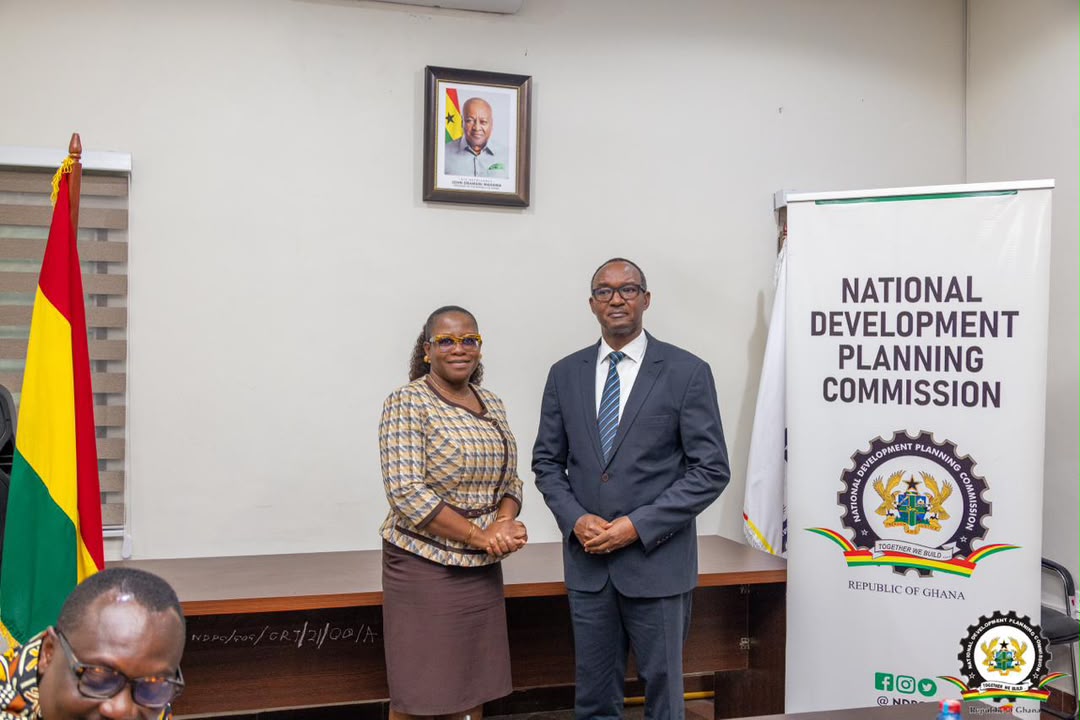
Speaking during a meeting with a delegation from the National Development Planning Commission (NDPC), led by its Chairman, Dr Nii Moi Thompson, and the Director General, Dr Audrey Smock Amoah, ahead of a regional strategic stakeholder engagement on the preparation of a Consolidated Development Plan, Rev. Kwartei Otoo stated that the infrastructure gap cuts across multiple sectors and is severely affecting livelihoods, investment prospects, and service delivery.
The Regional Economic Planning Officer, Mr James Awapoayi, disclosed during a presentation that the region currently lacks a regional hospital, while several health facilities operate under significant logistical constraints. Enumerating the challenges facing the region, Mr Awapoayi explained that electricity supply remains inconsistent, while access to clean drinking water continues to pose serious health risks. He added that poor road connectivity further limits trade, access to healthcare, and educational opportunities, particularly in rural communities.
He noted that human resource capacity also remains a pressing concern, as many public servants posted to the region decline their appointments due to deprived conditions. This has resulted in staffing gaps that overstretch the few officers who accept postings.
The Chairman of the National Development Planning Commission, Dr Nii Moi Thompson, emphasised that Ghana’s recurring development challenges stem not from a lack of plans but from weak implementation and the absence of a long term national vision.
Drawing from his experience in 2017, he noted that national development must transcend partisan politics. “Even though I was appointed by one administration, it was my ethical and constitutional duty to ensure that the incoming government succeeded. If a government fails, Ghana fails, and that affects all of us,” he stated.
He cautioned against dismissing long term planning as unrealistic, arguing that nations must plan beyond political cycles.
“Some people say in 40 years we will all be gone, so why plan? But Ghana will still be here. Countries that have transformed, like South Korea, did so because they had a clear vision of where they wanted to be. We cannot continue to stumble into the future unprepared. If we fail to plan properly and implement with discipline, we will keep repeating the same economic difficulties,” he warned. He reiterated that reliable electricity, water, transport systems, and institutional reforms are critical foundations for productivity and sustained growth.
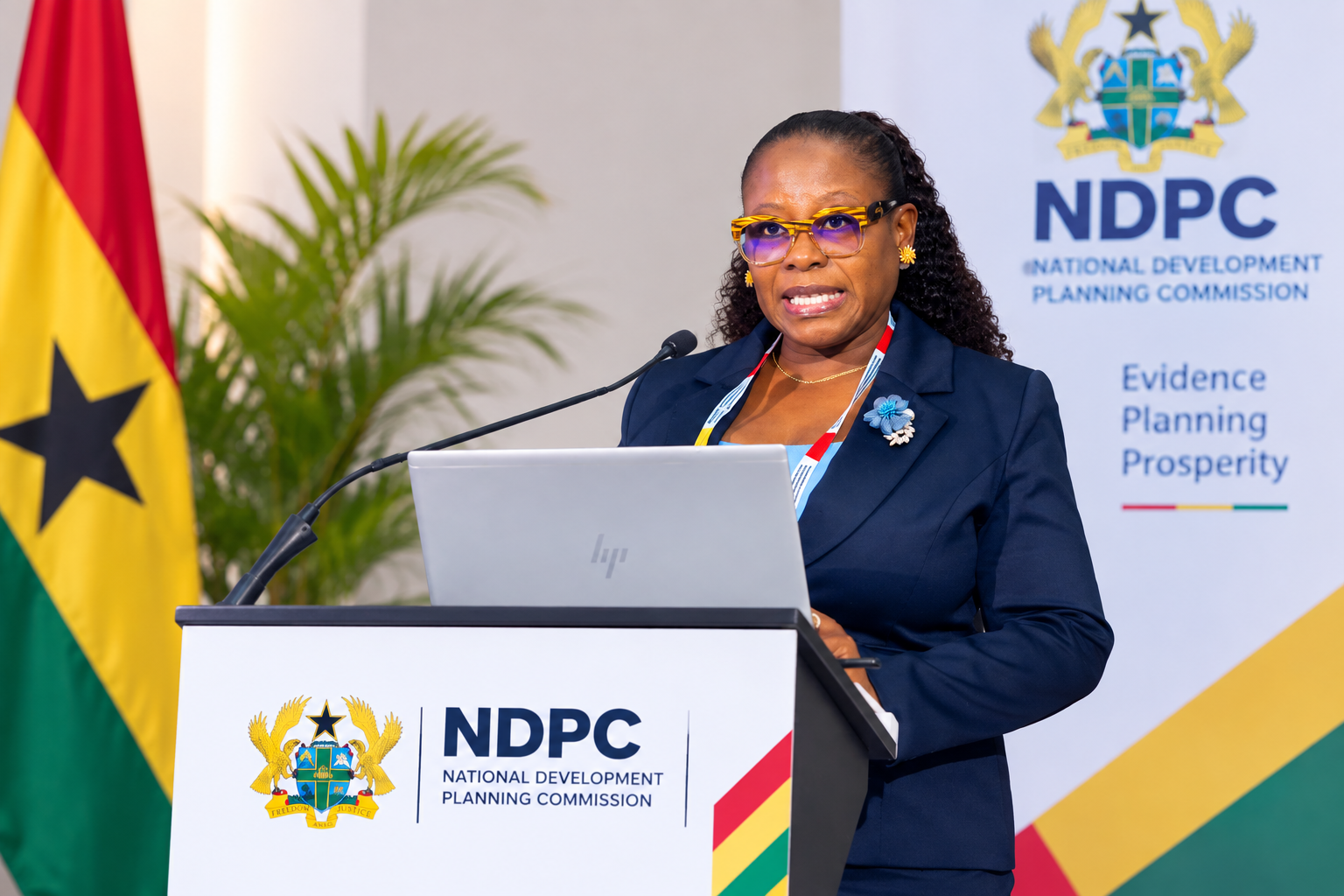
The Director General of the Commission, Dr Audrey Smock Amoah, reinforced the importance of aligning development priorities with structured planning and accountability mechanisms.
“For regions like Oti, effective planning and proper monitoring are critical to closing infrastructure and service delivery gaps. Planning determines what gets funded, implemented, and sustained,” she remarked, urging local authorities to prioritise disciplined execution of approved development initiatives.